𝗝𝗲𝗱𝗲𝘀 𝗨𝗻𝘁𝗲𝗿𝗻𝗲𝗵𝗺𝗲𝗻 𝗶𝘀𝘁 𝗮𝗻𝗱𝗲𝗿𝘀!
A suitable IT strategy must therefore be developed for each company.
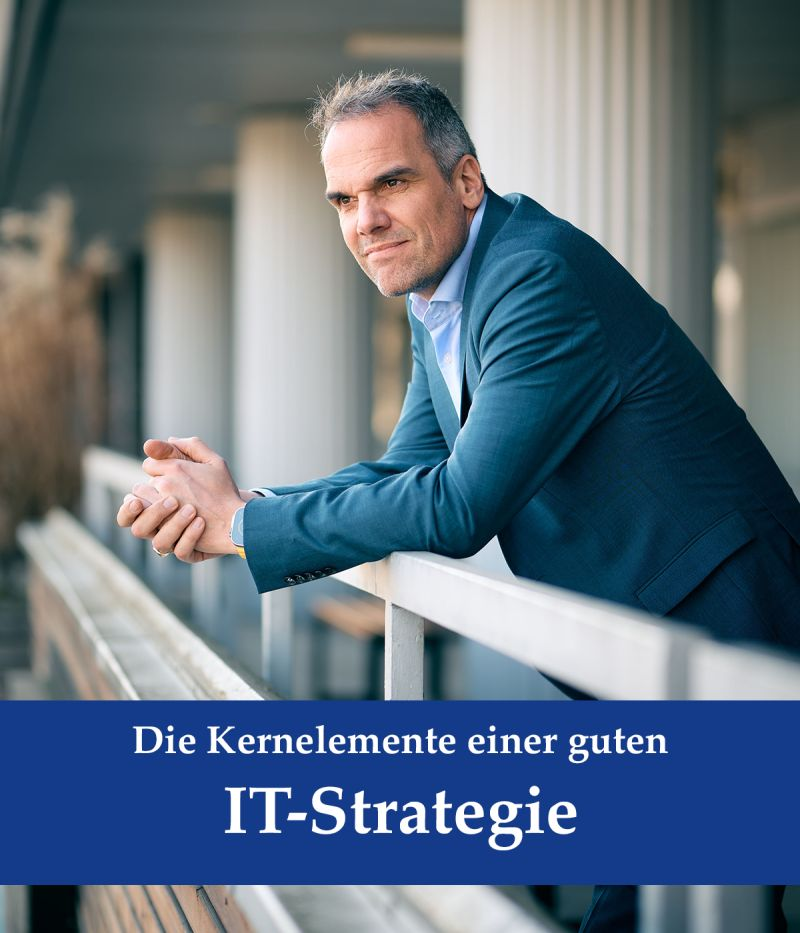
In my view, the following four points are the absolute core elements here:
– 𝗔𝗯𝗴𝗹𝗲𝗶𝗰𝗵 𝗺𝗶𝘁 𝗱𝗲𝗻 𝗨𝗻𝘁𝗲𝗿𝗻𝗲𝗵𝗺𝗲𝗻𝘀𝘇𝗶𝗲𝗹𝗲𝗻 / 𝗚𝗲𝘀𝗰𝗵𝗮̈𝗳𝘁𝘀𝘇𝗶𝗲𝗹𝗲𝗻: an IT strategy is not an end in itself.
It must support and sustain the business activities, the vision and the direction of the entire company.
There should therefore be a close and permanent alignment between IT and corporate management
– 𝗧𝗲𝗰𝗵𝗻𝗼𝗹𝗼𝗴𝗶𝘀𝗰𝗵𝗲 𝗔𝘂𝘀𝗿𝗶𝗰𝗵𝘁𝘂𝗻𝗴: the definition of platforms, architectures, standards and leading systems in relation to data and processes is a core task of the IT architect / CIO.
Non-functional requirements play an important role here: are you focusing on sustainability?
Expandability?
Maintainability?
Reusability?
What about the costs?
Cloud?
On-premise?
Customized development?
Standard systems?
– 𝗚𝗼𝘃𝗲𝗿𝗻𝗮𝗻𝗰𝗲 𝘂𝗻𝗱𝗱 𝗠𝗮𝗻𝗮𝗴𝗲𝗺𝗲𝗻𝘁: every company needs guidelines, procedures and structures to effectively manage and monitor IT.
Take particular account of potential risks, compliance issues and the legal framework and create clear responsibilities.
– 𝗥𝗲𝘀𝘀𝗼𝘂𝗿𝗰𝗲𝗻 𝘂𝗻𝗱 𝗞𝗻𝗼𝘄-𝗛𝗼𝘄: IT costs money and time.
And IT requires knowledge.
The company’s employees need to be “picked up” and informed, so you need a good communication and information culture.
The following applies in particular to IT employees: building up, passing on and preserving know-how.
Of course, all of this has to be considered from a time and cost perspective.
And in addition to the elements mentioned, there are potentially any number of other aspects that need to be taken into account.
𝗚𝗲𝗻𝗮𝘂 𝗱𝗮𝗳𝘂̈𝗿 𝗴𝗶𝗯𝘁 𝗲𝘀 𝗖𝗜𝗢’𝘀 𝘂𝗻𝗱 𝗜𝗧-𝗦𝘁𝗿𝗮𝘁𝗲𝗴𝗶𝗲𝗻!
What other elements would you mention here?