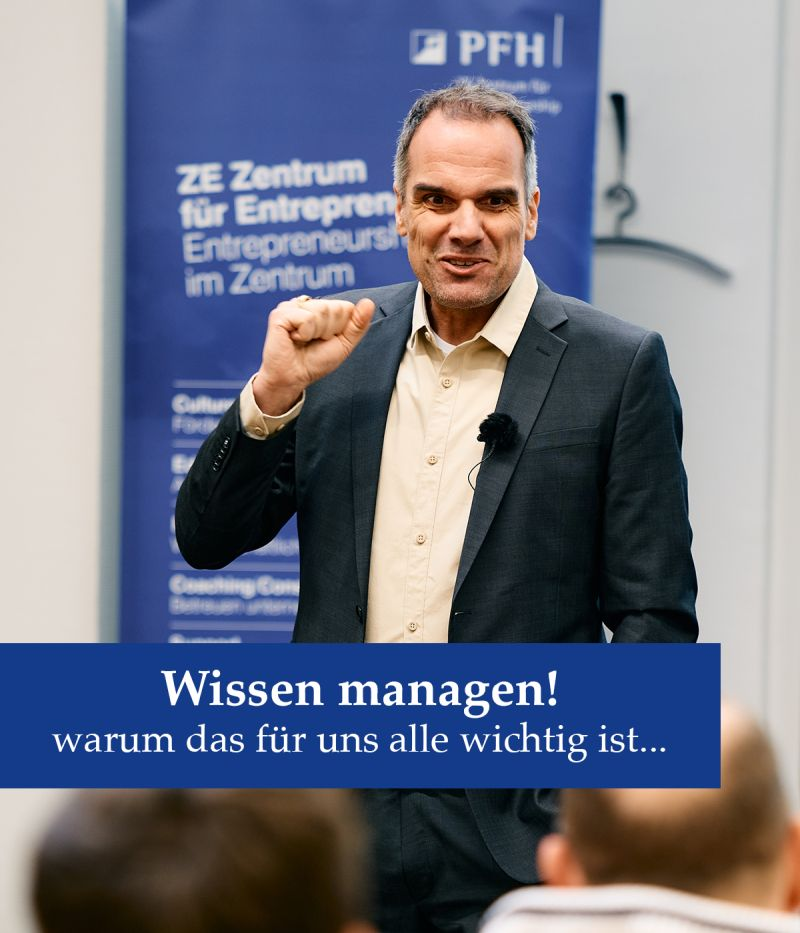
𝗪𝗮𝘀 𝘄𝗶𝘀𝘀𝗲𝗻 𝗦𝗶𝗲 𝗲𝗶𝗴𝗲𝗻𝘁𝗹𝗶𝗰𝗵?
This question runs through almost all areas of our lives: business (knowledge transfer), education (teaching and exams), parenting (parents, children), services (advice), or even everyday life (how much do four bread rolls cost) – whenever we ask someone anything, it is about the transfer of knowledge or information.
If we leave this topic to ourselves or to chance, we need not be surprised if the results to our questions are wrong or inaccurate.
We need not be surprised if the transfer of knowledge does not work when new employees are being trained, if the students do not end up knowing the content we are hoping for, if service providers provide us with suboptimal advice or if we are lured onto the wrong track by hallucinating AIs.
To manage knowledge, you can set up a 𝗪𝗶𝘀𝘀𝗲𝗻𝘀𝗯𝗶𝗹𝗮𝗻𝘇.
Roughly speaking, this records who has what knowledge, who needs what knowledge and how much of the knowledge can actually be transferred.
This also works for almost all areas of our lives.
A professor, for example.
should have certain knowledge (yes, that would be helpful).
A student would like to have some of it.
With the exam, it’s the other way around.
Here, the student should have certain knowledge and the professor wants to find out what they know.
At the end, there is a grade that indicates the quality of the knowledge transfer that has taken place.
Incidentally, the grade here is very “blunt”.
It says nothing about whether the student was lazy, the teacher was unsuitable or the exam was too difficult.
It merely reflects the quality/result of the knowledge transfer.
We must assume that knowledge is lost during transfer.
We therefore begin to 𝘇𝘂 𝗺𝗮𝗻𝗮𝗴𝗲𝗻 this 𝗪𝗶𝘀𝘀𝗲𝗻𝘀𝘁𝗿𝗮𝗻𝘀𝗳𝗲𝗿, i.e. to ensure that the quality of the transfer is as high as possible.
For this purpose, it can also be examined whether it is a S𝗲𝗻𝗱𝗲𝗿- 𝗼𝗱𝗲𝗿 𝗘𝗺𝗽𝗳𝗮̈𝗻𝗴𝗲𝗿-𝗣𝗿𝗼𝗯𝗹𝗲𝗺 or whether the 𝗩𝗼𝗿𝗮𝘂𝘀𝘀𝗲𝘁𝘇𝘂𝗻𝗴𝗲𝗻 were selected appropriately for the transfer at all.
For example, if documents are in
For example, if the documents are in English but the recipient does not speak English, the conditions are not right and the result can only backfire.
All of this is an active process that needs to be controlled and organized in a targeted manner.
In other words, management.
𝗨𝗻𝗱𝗱 𝗠𝗮𝗻𝗮𝗴𝗲𝗺𝗲𝗻𝘁 𝘀𝗼𝗹𝗹𝘁𝗲 𝗺𝗮𝗻 𝗻𝗶𝗰𝗵𝘁 𝗱𝗲𝗺 𝗭𝘂𝗳𝗮𝗹𝗹 𝘂̈𝗯𝗲𝗿𝗹𝗮𝘀𝘀𝗲𝗻…